In a society that tends to be immersed in the digital world, with our phones providing the vast majority of the entertainment and news we consume over the course of a day, it becomes increasingly important that we evaluate the sources of our knowledge.

It is incredibly easy to follow a Buzzfeed thread via Snapchat and accept every celebrity gossip or political commentary piece as fact, but in order to become informed, analytical members of society we must go deeper into the facets of the media we consume.

https://www.google.com/amp/s/amp.miamiherald.com/news/coronavirus/article244108172.html
In an article entitled “What Went Wrong with the Pandemic in Florida,” the unfortunate status of the pandemic in Florida is analyzed from a variety of perspectives and attributed to a variety of causes. The national context of the pandemic narrows into a lens fixated on Florida as they discuss the methods and outcomes of the state’s COVID-19 response. One of the primary sources used within the article is Florida Governor Ron DeSantis is quoted and referenced multiple times throughout the article. His proximity to the issue is medium because there are two different ways to address his proximity, and both lend themselves to different proximities. If you look at the relevance of the pandemic to a public official in the sense that it is one of the primary issues someone holding office is forced to address in this current moment, then DeSantis’ proximity is high. If you instead choose to view his proximity to the issue as a matter of access and priority, then it would be low because as a government official DeSantis is not struggling to get access to the vaccine in the same way the article discusses. DeSantis’ independence is low because as a public official his statements are motivated and politicized to fit a certain agenda, and he is anything but impartial. His expertise is medium because while he is forced to be somewhat knowledgeable about the issues he speaks on, there are medical experts and people who devote all of their time to analyzing and studying the pandemic who know far more.
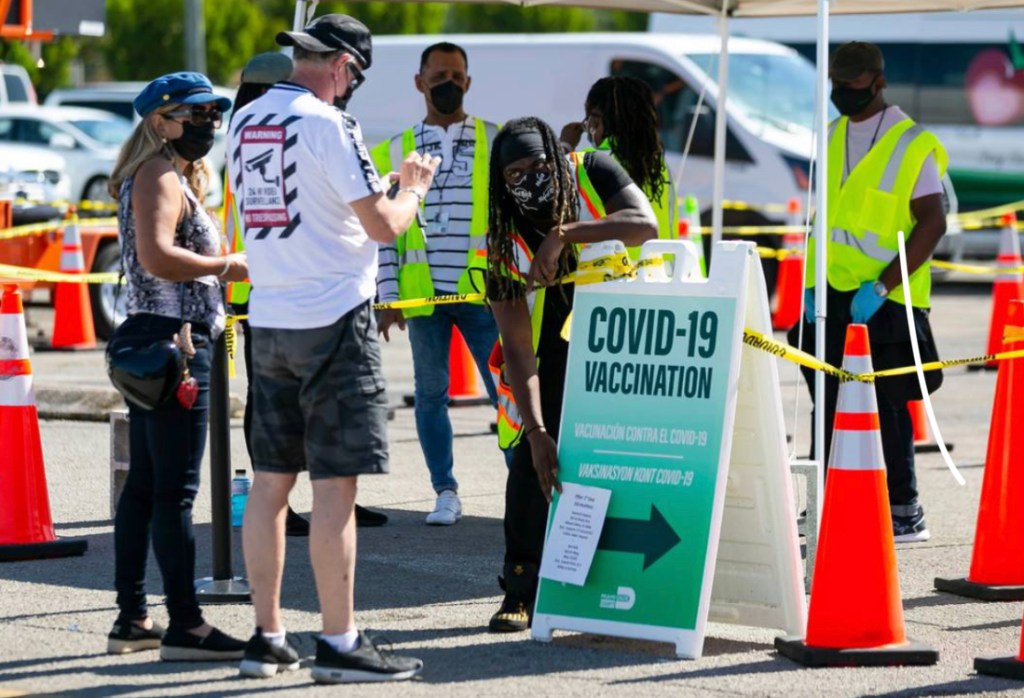
Medical experts such as Natalie E. Dean, Dr. Stephen J. Nelson, Jason Salemi, and Dr. Peter Chin-Hong who are also referenced in the article have a high proximity to the pandemic and vaccine accessibility due to their profession. Their independence would be medium as their profession allows them to have strong opinions and thoughts on how the pandemic is handled, but they are not affiliated with a predetermined political agenda or party. Their expertise, however, is high as they are professionals working in the field that deals daily with the pandemic and its repercussions.
The motivation of the article is twofold. Its primary motivation lies in the ability it has to spread awareness and educate the general public. It is a very heavy, statistically dense article that refuses to dance around the realities of the pandemic. Many people, especially in states such as Florida, have unanimously decided that the pandemic is over. This article shows through the accessibility of vaccines, hospitalization rates, and even death counts that the pandemic is very much not over. The tone of the article is stark and somber, and all of the experts that are consulted to speak on the topic reflect that tone as well.
The second motivation of this article is to act as a warning. Florida is used and examined as a case study of what not to do. Vaccine distribution and the functionality of society in light of the Delta Variant has been brutally mishandled in Florida. The concluding sentence of the article highlights the fact that what has happened in Florida could easily happen in other states if precautions are not taken to avoid this.
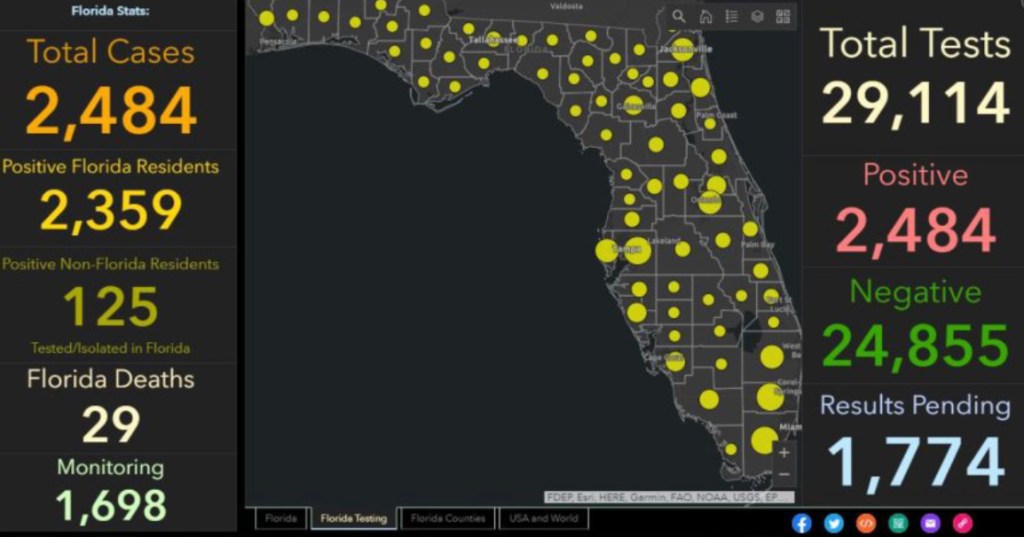
https://wusfnews.wusf.usf.edu/health-news-florida/2020-03-26/new-florida-covid-19-cases-top-500-for-a-second-day
In order to highlight the severity of the pandemic in Florida, the article discusses the numbers in morgues and crematories across the state as well as the mortality rate. They also look into the percentages of people in certain age brackets who are getting sick and dying in order to identify which age ranges are able and have been getting vaccinated versus age ranges where the vaccine is lacking. The correlation between being vaccinated and getting sick and dying of the virus is what the article endeavors to identify and the statistics support this.
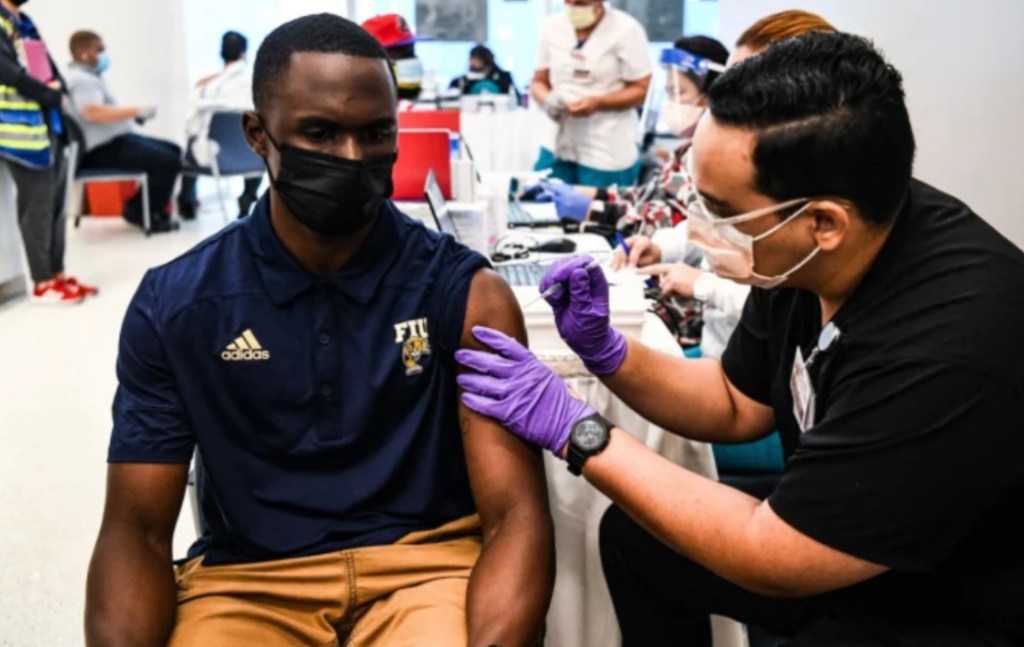
In addition to the raw data included in the article to support the idea that Florida has mishandled vaccinations, the quotes from medical professionals and even the Governor’s dismay at the current predicament work to paint a picture of the dire situation in Florida. It does not seem that anything is missing from the article as it is very comprehensive. If there was more data and additional claims being made, the article would be less impactful and distracting.
However, it is still interesting to consider the implications a piece of media can have while altering audience perspective and perception without being implicitly biased. As a whole, this article does a great job of covering an issue with factual evidence and relevant insight to better inform its readers.

